


Khaja, also known as Chiroti in some regions, is a crispy, flaky, and syrupy sweet that holds a special place in Indian festive celebrations. This delicacy is particularly popular in states like Bihar, Odisha, and Madhya Pradesh, where it is often prepared during festivals like Holi, Diwali, and weddings. Made with simple ingredients like refined flour, ghee, and sugar syrup, Khaja is a perfect example of how traditional Indian sweets can be both simple and indulgent.
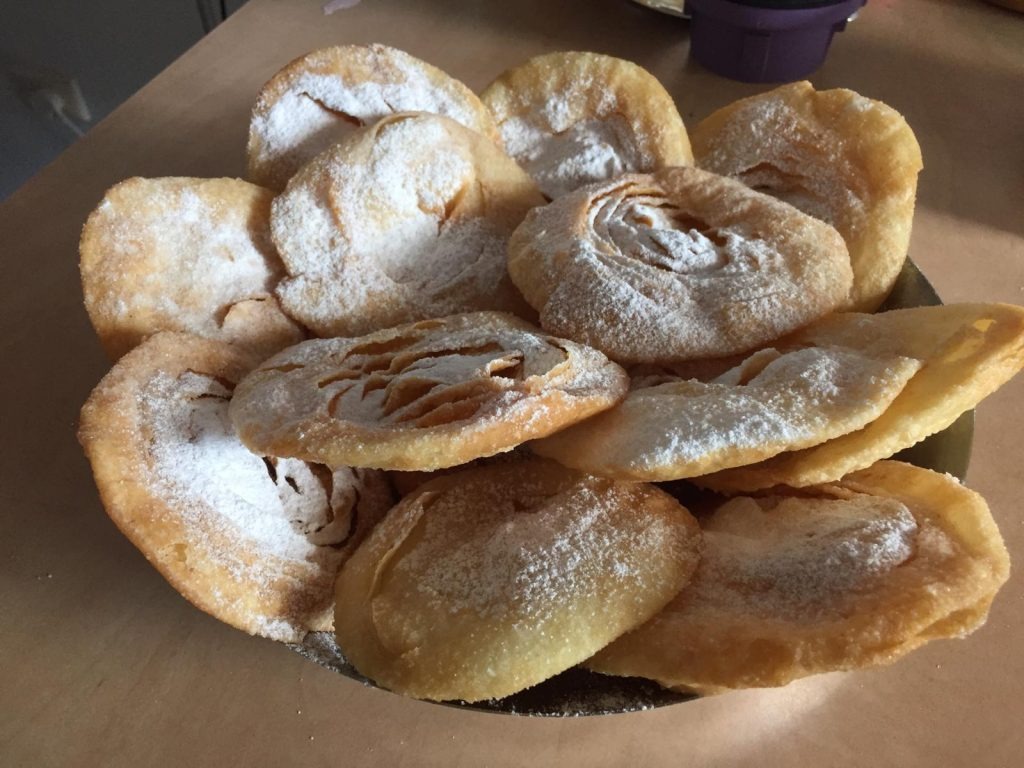
The beauty of Khaja lies in its texture—crispy layers on the outside and a melt-in-your-mouth sweetness on the inside. It’s a treat that brings back memories of family gatherings, festive joy, and the warmth of homemade sweets.
Ingredients for Khaja (Chiroti)
To prepare this traditional sweet, you’ll need the following ingredients:
- Refined flour (maida): 2 cups
- Ghee (clarified butter): 4 tablespoons (for dough) + for frying
- Water: As needed (to knead the dough)
- Sugar: 1 cup (for syrup)
- Cardamom powder: 1/2 teaspoon (optional, for flavor)
- Oil or ghee: For deep frying
Step-by-Step Recipe for Khaja
- Prepare the Dough
In a mixing bowl, combine refined flour and ghee. Rub the ghee into the flour until the mixture resembles breadcrumbs. Gradually add water and knead into a firm yet pliable dough. Cover the dough with a damp cloth and let it rest for 20-30 minutes.
- Roll and Layer the Dough
Divide the dough into small portions. Roll out each portion into thin sheets. Stack the sheets on top of each other, brushing a thin layer of ghee between each sheet. Roll the stacked sheets tightly into a log and cut them into small pieces.
- Shape the Khaja
Take each piece and roll it out gently into a flat disc. Ensure the layers remain intact to achieve the signature flaky texture.
- Deep Fry the Khaja
Heat ghee or oil in a deep pan. Fry the rolled-out Khaja pieces on medium heat until they turn golden brown and crispy. Remove them from the oil and place them on a paper towel to drain excess oil.
- Prepare the Sugar Syrup
In a separate pan, dissolve sugar in water and bring it to a boil. Add cardamom powder for flavor. Cook the syrup until it reaches a one-string consistency.
- Coat the Khaja in Syrup
Dip the fried Khaja pieces into the warm sugar syrup, ensuring they are well-coated. Remove and let them cool on a plate. The syrup will crystallize, giving the Khaja its signature sweet coating.
Why Khaja is a Festive Favorite
Khaja is not just a sweet; it’s a symbol of celebration and togetherness. Its crispy texture and sugary glaze make it a crowd-pleaser, especially during festivals like Holi. The simplicity of its ingredients and the intricate process of layering and frying make it a labor of love. In many households, Khaja is prepared in large batches and shared with friends and family, spreading joy and sweetness.
Serving Suggestions
Khaja is best enjoyed fresh and crispy. Serve it as a dessert after a festive meal or as a snack with a cup of tea. It also makes for a thoughtful gift during festivals, wrapped in decorative boxes.
A Personal Memory with Khaja
I still remember the first time I saw my grandmother making Khaja during Holi. She would sit in the kitchen, patiently rolling out the dough and layering it with ghee. The aroma of frying Khaja would fill the house, and as kids, we couldn’t wait to get our hands on the first batch. Even today, every bite of Khaja takes me back to those cherished moments of family and festivity.
Healthier Variations of Khaja
While traditional Khaja is deep-fried, you can experiment with healthier versions:
- Baked Khaja: Instead of frying, bake the Khaja in an oven for a lighter version.
- Jaggery Syrup: Replace sugar syrup with jaggery syrup for a more wholesome sweetness.
- Whole Wheat Flour: Use whole wheat flour instead of refined flour for added nutrition.