


Sabudana Papad, also known as sago papad, is a crispy and light snack that holds a special place in Indian households, especially during festivals like Holi. This traditional recipe is not only easy to make but also adds a delightful crunch to your festive meals. Whether you’re preparing for a family gathering or simply want to enjoy a homemade treat, sabudana papad is a must-try.
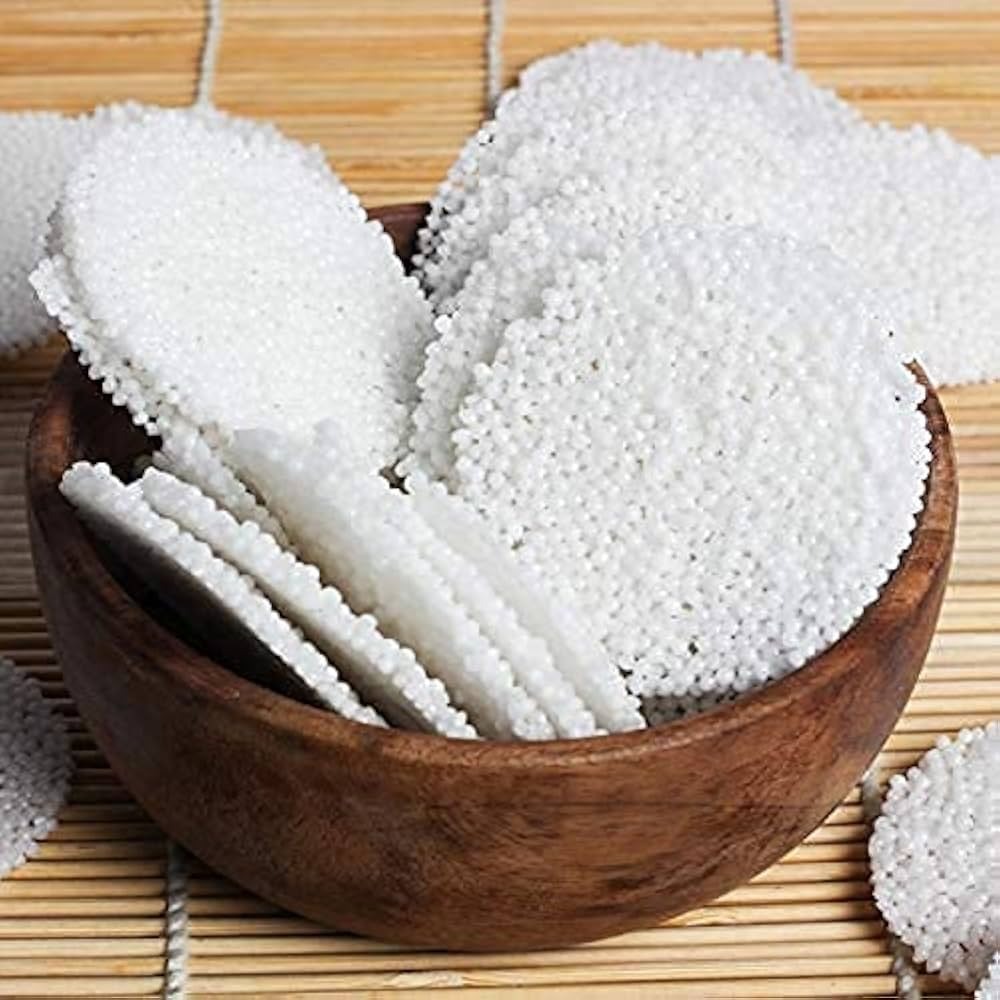
How to Make Sabudana Papad at Home: A Traditional Recipe for Festive Delights
Sabudana Papad, also known as sago papad, is a crispy and light snack that holds a special place in Indian households, especially during festivals like Holi. This traditional recipe is not only easy to make but also adds a delightful crunch to your festive meals. Whether you’re preparing for a family gathering or simply want to enjoy a homemade treat, sabudana papad is a must-try. In this article, we’ll explore the step-by-step process of making sabudana papad at home, along with some tips to make it perfect.
What is Sabudana Papad?
Sabudana Papad is a thin, crispy snack made from sabudana (tapioca pearls), which is soaked, cooked, and then dried in the sun to form papads. These papads are later fried or roasted to serve as a crunchy accompaniment to meals or as a standalone snack. Traditionally, sabudana papad is prepared during festivals like Holi and Navratri, as sabudana is often consumed during fasting periods.
Ingredients for Sabudana Papad
To make sabudana papad at home, you’ll need the following ingredients:
- Sabudana (Tapioca Pearls): 1 cup
- Water: 3 cups (for soaking and cooking)
- Cumin Seeds: 1 teaspoon
- Salt: As per taste
- Green Chili Paste: 1 teaspoon (optional, for a spicy kick)
- Lemon Juice: 1 teaspoon (optional, for a tangy flavor)
Step-by-Step Recipe for Sabudana Papad
1. Soaking the Sabudana
Start by washing the sabudana thoroughly to remove excess starch. Soak it in water for about 4-5 hours or overnight until the pearls become soft and fluffy. Ensure that the water level is just enough to cover the sabudana, as too much water can make it mushy.
2. Cooking the Sabudana
Once soaked, transfer the sabudana to a pan and add 2-3 cups of water. Cook it on medium heat while stirring continuously to avoid lumps. The sabudana will turn translucent and sticky as it cooks. This process usually takes about 10-15 minutes.
3. Adding Flavor
Once the sabudana is cooked, add cumin seeds, salt, and green chili paste (if using). Mix well to ensure the flavors are evenly distributed. You can also add a dash of lemon juice for a tangy twist.
4. Preparing the Papad
Take a clean plastic sheet or parchment paper and grease it lightly with oil. Using a spoon, spread small portions of the cooked sabudana mixture onto the sheet, forming thin, round shapes. Ensure the papads are evenly spread for uniform drying.
5. Drying the Papad
Place the sheet in direct sunlight and let the papads dry completely. This process can take 1-2 days, depending on the intensity of the sun. Flip the papads occasionally to ensure even drying on both sides.
6. Storing the Papad
Once dried, the papads will become hard and brittle. Store them in an airtight container to keep them fresh for months.
7. Frying or Roasting
To serve, fry the papads in hot oil until they puff up and turn golden brown. Alternatively, you can roast them on an open flame or in a microwave for a healthier option.
Tips for Perfect Sabudana Papad
- Consistency Matters: Ensure the sabudana mixture is neither too thick nor too runny. The right consistency will help in spreading the papads evenly.
- Sunlight is Key: Proper sunlight is essential for drying the papads. If sunlight is not available, you can use a dehydrator or oven at a low temperature.
- Experiment with Flavors: You can add crushed black pepper, sesame seeds, or even grated ginger to the mixture for a unique flavor profile.
Why Sabudana Papad is Perfect for Holi
Holi is a festival of colors, joy, and delicious food. Sabudana papad adds a crunchy element to the festive spread and pairs wonderfully with traditional dishes like gujiyas, dahi bhalla, and thandai. Its light texture and subtle flavors make it a crowd-pleaser, especially when served with spicy chutneys or dips.
Personal Touch: A Family Tradition
Growing up, I remember my grandmother making sabudana papad every Holi. She would wake up early, prepare the mixture, and spread it on large sheets in our backyard. The entire family would gather to help, and it became a cherished tradition. Even today, the aroma of frying sabudana papad takes me back to those joyful moments.
Health Benefits of Sabudana Papad
- Gluten-Free: Sabudana is naturally gluten-free, making it an excellent snack option for those with gluten intolerance.
- Energy Boosting: Rich in carbohydrates, sabudana provides a quick energy boost, which is why it’s often consumed during fasting.
- Light and Digestible: Sabudana papad is light on the stomach and easy to digest, making it suitable for all age groups.