


A well-organized kitchen pantry is the heart of an efficient and stress-free cooking experience. Whether you’re a seasoned chef or someone who enjoys occasional cooking, a clutter-free pantry can save you time, reduce food waste, and make meal prep a breeze. Organizing your pantry isn’t just about aesthetics; it’s about creating a functional space that works for your lifestyle.
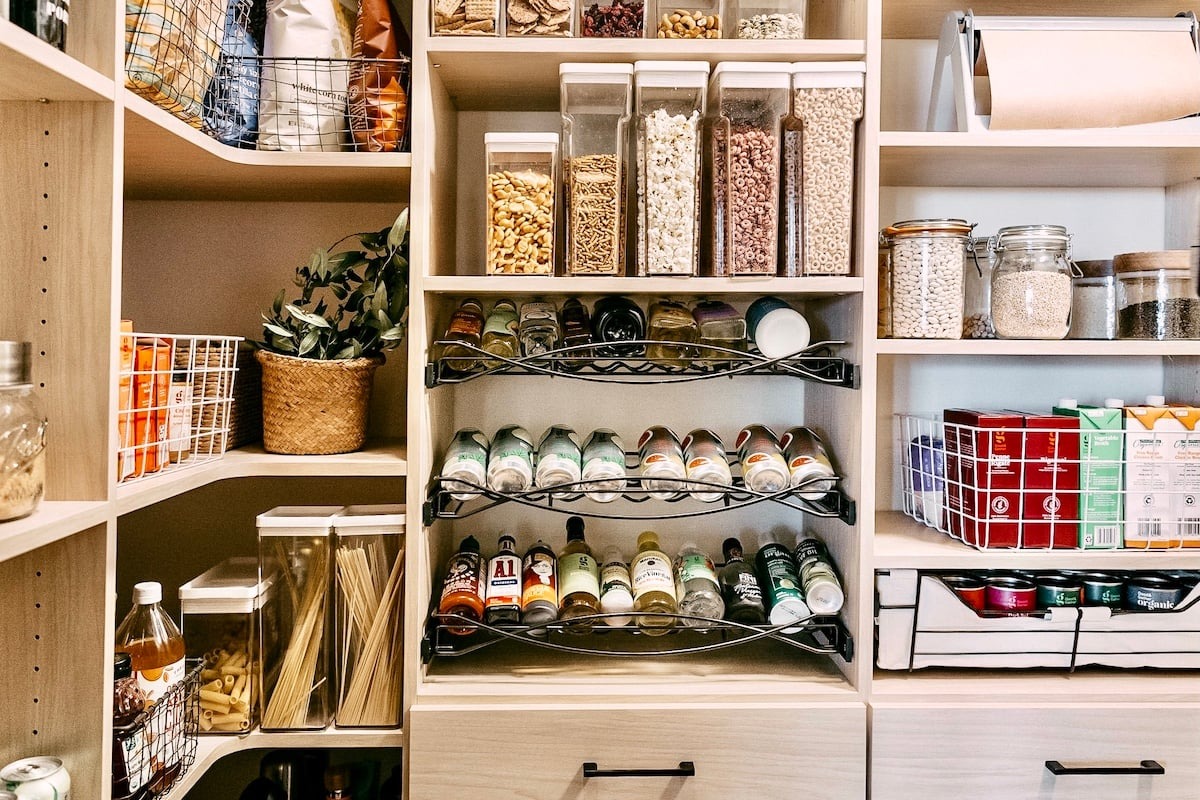
I remember the first time I tackled my own pantry—it was overwhelming at first, but the results were transformative. Not only did I rediscover long-forgotten ingredients, but I also realized how much easier it was to plan meals when everything was in its place. If you’ve been putting off organizing your pantry, now is the perfect time to start.
Why Organizing Your Pantry Matters
A disorganized pantry can lead to expired food, duplicate purchases, and wasted time searching for ingredients. By organizing your pantry, you can:
- Save money: Avoid buying items you already have.
- Reduce food waste: Keep track of expiration dates and use items before they spoil.
- Streamline cooking: Quickly find what you need, making meal prep faster and more enjoyable.
- Create a visually pleasing space: A tidy pantry can make your kitchen feel more inviting.
Step-by-Step Guide to Organizing Your Kitchen Pantry
1. Empty Your Pantry
The first step is to take everything out of your pantry. This allows you to see what you have and gives you a clean slate to work with. As you remove items, group them into categories such as canned goods, baking supplies, snacks, and spices.
2. Declutter and Discard
Check expiration dates and toss anything that’s expired or stale. Donate unopened, non-expired items that you no longer use. This step is crucial for creating space and ensuring that your pantry only contains items you actually need.
3. Clean the Shelves
Before putting anything back, wipe down the shelves with a damp cloth and let them dry completely. Consider using shelf liners to protect the surface and make cleaning easier in the future.
4. Categorize and Group Items
Organize your pantry into zones based on categories. For example:
- Baking Zone: Flour, sugar, baking powder, and vanilla extract.
- Snack Zone: Chips, nuts, and granola bars.
- Canned Goods Zone: Soups, beans, and vegetables.
- Spices and Condiments Zone: Salt, pepper, sauces, and oils.
Grouping similar items together makes it easier to find what you need and keeps your pantry looking neat.
5. Use Storage Containers
Invest in clear, airtight containers for items like flour, sugar, pasta, and cereals. Not only do these containers keep food fresh, but they also make it easy to see how much you have left. Label each container for added convenience.
6. Maximize Vertical Space
Use stackable bins, tiered shelves, or hanging racks to make the most of your pantry’s vertical space. This is especially useful for small pantries where every inch counts.
7. Arrange Items by Frequency of Use
Place frequently used items at eye level for easy access. Store less frequently used items, such as specialty baking tools or seasonal ingredients, on higher or lower shelves.
8. Maintain Your Pantry
Set aside time once a month to go through your pantry. Check for expired items, reorganize as needed, and restock essentials. Regular maintenance ensures your pantry stays organized in the long run.
Tips for a Pinterest-Worthy Pantry
- Use uniform containers: Matching containers create a cohesive look.
- Add labels: Use chalkboard labels or printed stickers for a polished appearance.
- Incorporate baskets: Woven or wire baskets are great for storing snacks or produce.
- Install lighting: LED strip lights can brighten up your pantry and make it easier to find items.
When I first organized my pantry, I discovered three jars of cinnamon and two bags of flour I didn’t even know I had. It was a wake-up call to how much I was wasting due to poor organization. After decluttering and investing in clear containers, my pantry not only looked better but also became a joy to use. Now, I can whip up a batch of cookies or prepare dinner without rummaging through cluttered shelves.
Common Mistakes to Avoid
- Overstocking: Resist the urge to buy in bulk unless you have the space to store it.
- Ignoring expiration dates: Regularly check and rotate items to avoid waste.
- Skipping labels: Even if you think you’ll remember what’s in each container, labels are a lifesaver.
- Neglecting maintenance: An organized pantry requires regular upkeep to stay functional.